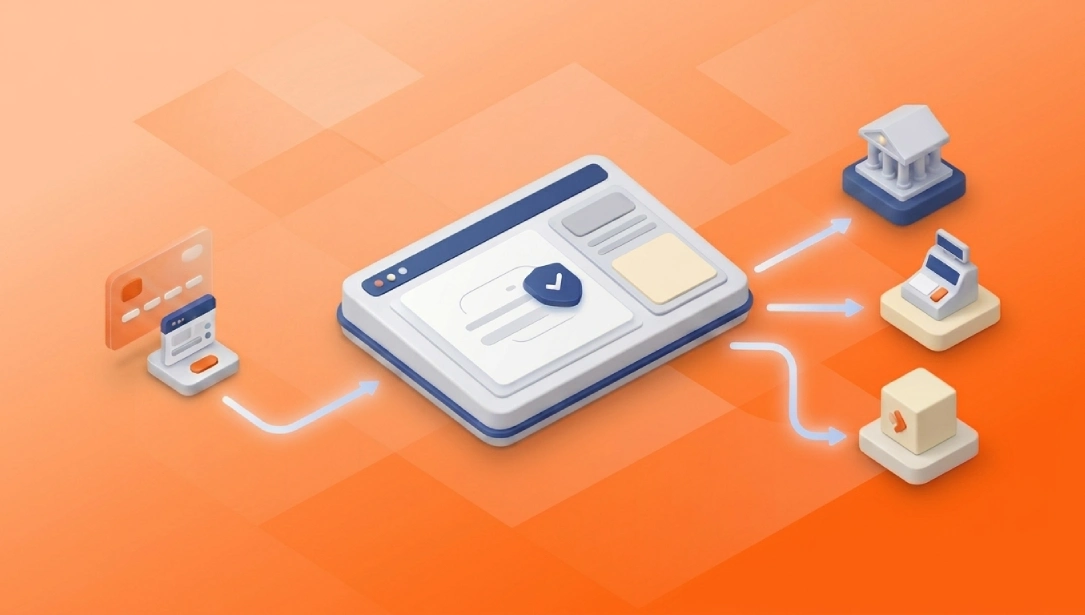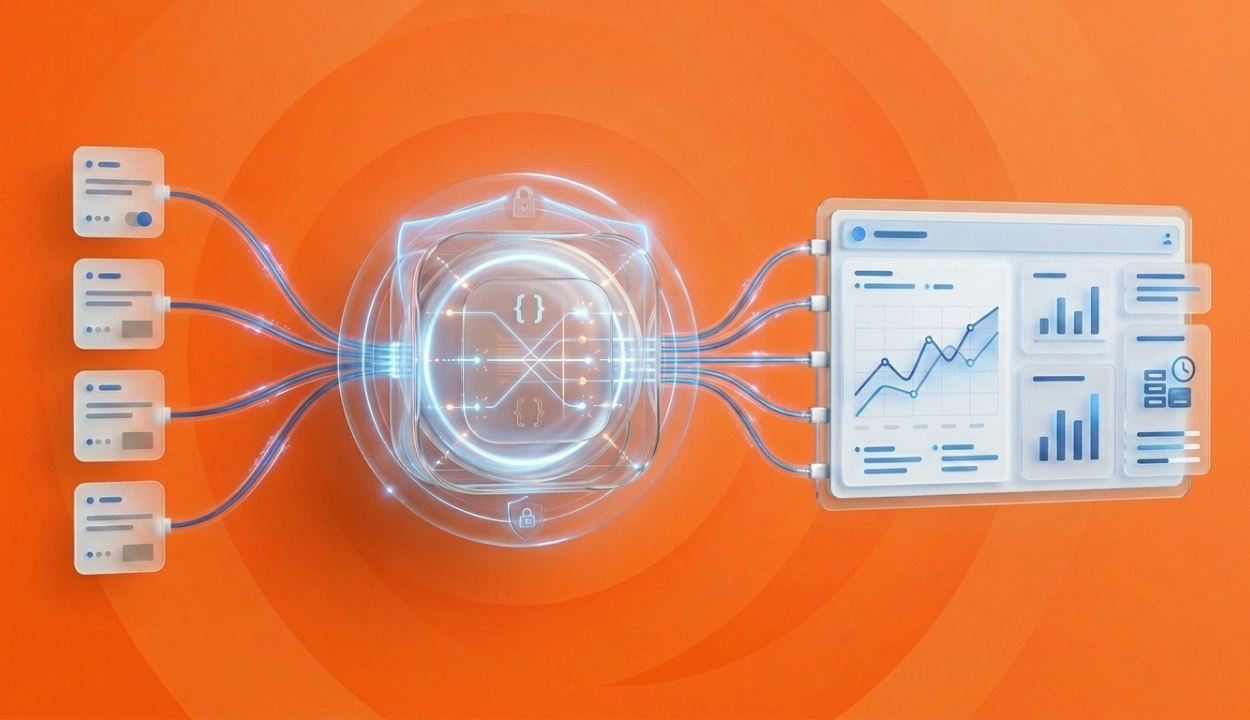
In ERP integration, webhook technology enables financial data to be updated rapidly by instantly transmitting payment and collection evenIn ERP integration, webhook technology enables the rapid updating of financial data by instantly transmitting payment and collection events from external systems to corporate accounts. This infrastructure does not directly accelerate the physical transfer of funds. However, by automating reconciliation processes and eliminating the need for manual tracking, it instantly enhances businesses’ cash flow visibility.ts from external systems to corporate accounts.
What Is a Webhook?
In ERP integration, webhook technology is an event-driven data transmission method that instantly notifies the ERP system of financial events occurring in external systems. Instead of systems constantly polling each other, it operates in real time by pushing data to the destination only when changes occur.
Also known as a “reverse API” in software literature, a webhook is an HTTP callback mechanism that operates on a “push” logic. Enterprise systems are moving away from legacy batch processing methods. In this transition, systems send an immediate notification to the target URL address when a predefined event occurs.
How Does a Webhook Work?
The webhook architecture completes asynchronous data transmission by following specific technical steps.
Event Generation: The customer completes the payment transaction. The payment provider’s database records the transaction as successful.
Payload Preparation: The system formats the event details into a standard JSON object. This package contains the transaction amount, timestamp, and correlation number.
Endpoint Delivery: The prepared JSON data is sent to the publicly accessible and listening ERP endpoint via an HTTPS POST request.
Validation: The ERP system decrypts the incoming data to verify the source’s authenticity. System Update: Business rules are applied, and the open invoice is automatically marked as paid.
What Is the Purpose of Webhook Technology in ERP Integration?
Businesses must move away from treating their ERP systems as closed ecosystems. Webhook technology establishes a data bridge between the ERP system and external e-commerce sites, B2B portals, or banking systems.
When financial platforms approve a payment, the webhook transfers this information to the ERP system within seconds. The ERP software issues the payment voucher without waiting for human intervention. As a result, internal accounting records flow in real-time, perfectly synchronized with actual events in the external world.
What Is the Difference Between Webhooks and API Polling?
In the API polling method, the ERP system continuously asks the external source, “Is there any new data?” With webhook technology, however, the external source immediately notifies the ERP system by stating, “New data has arrived.” This makes the webhook architecture zero-latency and resource-efficient.
How Are Webhooks Used in Payment and Billing Processes?
Payment providers and banking systems notify the ERP system of various financial status changes via specific webhook events.
When a customer completes a payment, the system triggers the `payment.succeeded` event.
If a subscription payment fails, an error notification is sent immediately and the account is suspended.
When a customer requests a refund or a partial refund is issued, the account balance is automatically reduced.
The bank sends real-time status updates indicating that the funds have been processed and will be credited to the account tomorrow.
Does Webhook Directly Accelerate Cash Flow?
Webhook technology alone does not change the bank’s settlement times or the customer’s payment speed. This infrastructure does not accelerate the fund transfer itself, but rather increases the speed at which data regarding the fund transfer reaches the ERP.
Cash management in legacy systems relies on delayed reports. Webhook integration eliminates this technical latency by transmitting data in real time. Consequently, it improves cash flow not physically, but indirectly by enhancing internal operational agility.
Why Is Security Important in ERP Webhook Integration?
In webhook integration, publicly exposed endpoints are vulnerable to cyber risks. HMAC (Hash-based Message Authentication Code) authentication, retry, and idempotency mechanisms ensure data security and prevent duplicate records.
Attackers may attempt to create unauthorized payment records by sending fake data packets to the system. The system blocks these “spoofing” attacks using HMAC encryption. The provider encrypts the data using a pre-shared secret key. The ERP verifies this encryption internally. Additionally, timestamp checks are implemented to prevent the repeated submission of a valid packet (replay attack).